Talking about sunscreens is essential when it comes to protecting the skin from solar radiation. In this article, you will find clear and useful information on how the different types of sunscreens work, which rays affect us, and how to choose the most suitable product to protect your face and body, whether during outdoor activities or in your daily routine.
Types of sunscreens and SPF
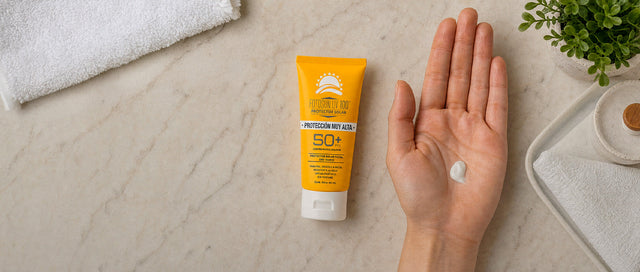
Talking about sun protection involves understanding SPF, or Sun Protection Factor. The SPF indicates how much longer you can be exposed to the sun without getting burned compared to not using sunscreen. For example, a sunscreen with SPF 50 reduces the amount of radiation that reaches the skin and helps prevent burns, as well as premature aging and the risk of skin cancer. Choosing the right SPF depends on skin type and the intensity of sun exposure.
What does SPF mean?
The term SPF (Sun Protection Factor) measures protection against ultraviolet rays that cause sunburn. A higher number means greater protection against UVB rays. However, SPF does not measure protection against UVA, HEV, or infrared rays, so it is important to opt for broad-spectrum formulas that offer protection against all of these.
Types of sunscreens by filters
Sun filters are classified according to their mode of action. Knowing these differences can help you answer questions like: what type of sunscreen should I use? or which sunscreen is most suitable for my face?
Physical filters
Physical filters (also called mineral filters) act as a barrier that reflects and scatters sun rays. Ingredients such as zinc oxide or titanium dioxide are common in these sunscreens. They are an excellent option for sensitive skin, as they help reduce redness and irritation.
Chemical filters
Chemical filters absorb the energy of ultraviolet rays and transform it into heat, preventing them from reaching the deeper layers of the skin. They often offer lighter textures, ideal for facial application and for those who prefer a matte finish. It is important to check the ingredients if you have a history of allergies or reactions.
Biological filters
Biological filters include compounds that aid the skin's natural defense, such as antioxidants, vitamins, and plant extracts that counteract the harmful effects of solar radiation. Their function is to complement physical and chemical barriers, as well as provide hydration and protection against the formation of spots.
Types of sunscreens: HEV, UVA, UVB, and Infrared
Not all rays are the same; knowing their differences will help you better choose your sunscreen.
HEV and blue light
HEV light, or blue light, comes from both electronic screens and the sun. This light can contribute to cellular damage and premature aging. Some sunscreens include specific filters and antioxidants to minimize its impact, recommended especially for those who spend a lot of time in front of devices.
UVA and UVB
UVB rays are the main cause of sunburns, while UVA rays penetrate deeper into the skin and are linked to premature aging and the formation of spots. A broad-spectrum sunscreen protects against both.
Infrared
Infrared rays emit heat. Although they do not cause visible burns, they contribute to the energetic damage of the skin and the deterioration of its structure. Some sunscreens include ingredients that limit these effects and strengthen overall protection.

Types of sunscreens: textures and formats
The presentation of the sunscreen influences its use and daily comfort. Knowing the options will help you choose the right format for every situation, whether at home, at the beach, or to carry in your bag.
Cream
The cream is the classic texture, ideal for dry skin or for body application. It provides good hydration and is perfect for the summer and for elderly people, who require extra care.
Gel
The gel has a fresh feel and is absorbed quickly, making it perfect for combination skin or sports activities, as it is generally less greasy and offers a light feel.
Spray
The spray facilitates quick application over large areas, ideal for the beach or quick touch-ups on the body. It is important to avoid direct contact with the eyes and ensure enough product is applied for adequate coverage.
Mist
The mist is a spray variant with fine particles that allow you to cover your face without disturbing your makeup. It is ideal for touch-ups without leaving a heavy feel.
Powder
The powder offers protection and a matte finish, making it perfect for touch-ups over makeup and for controlling excess oil throughout the day.
Stick
The stick is practical for applying to small areas such as the nose and ears. Its solid format prevents spills and facilitates precise application, ideal for outdoor activities.
Recommendations for using types of sunscreens
A proper sunscreen routine reduces the likelihood of burns, spots, and other harmful effects of sun exposure.
Apply before leaving home
It is recommended to apply sunscreen at least 15-20 minutes before going out so that the filters settle and offer optimal protection. This is essential on both sunny and cloudy days.
Quantity and spreading
Using the proper amount of sunscreen is crucial. An insufficient amount significantly reduces the effective SPF. Spread the product evenly over your face and body, paying special attention to areas such as the ears, neck, and hands.
Reapply periodically
It is important to reapply sunscreen every 2 hours, especially after swimming or sweating. This is fundamental for maintaining protection, especially during aquatic activities or on days with high sun exposure.
Use even when you don't go out in the sun
Indirect exposure, such as that from windows or screens, also affects the skin. Using sunscreen daily helps prevent redness, spots, and damage accumulated by light.

Types of Fotosun UV 100 Sunscreens
Fotosun UV 100 offers a range of products designed for different needs, from daily care to options for children and travel formats. Here we give you some recommendations based on your skin and activities.
Fluid Protect Blue Light (50 ml)
Ideal for those looking for protection against screen light and UVA/UVB rays. Its light formula, free of fragrances and parabens, is perfect for sensitive skin. Its 50 ml container is ideal for those who live in the city.
Solar Brush (4 g)
A powder sunscreen with SPF 50+, ideal for touch-ups over makeup. It mattifies, absorbs excess oil, and provides protection throughout the day without leaving residue.
Adaptive Color (60 ml)
Tinted sunscreen that adapts to your skin tone, ideal for evening out and protecting at the same time. It is non-comedogenic, ideal for combination and normal skin seeking light coverage.
Travel Sunscreen (60 ml)
A compact version of the travel sunscreen for face and body. Water-resistant, it is ideal for vacations or for those who spend a lot of time outdoors.
Sunscreen for Kids (125 ml)
Designed for sensitive skin, with SPF 50+ and a hypoallergenic formula. Its pineapple-coconut scent makes it more pleasant for children during activities at the beach or the pool.
Facial Sunscreen Fotosun UV 100 (60 ml)
An ideal daily option for sensitive and combination skin: SPF 50+, hypoallergenic, and non-comedogenic. It protects against UVA, UVB, and blue light, and is easy to carry in your bag.
If you are looking for a sunscreen that adapts to your routine, consider your skin type, the activities you perform, and whether you need protection against screen light or water. Fotosun UV 100 offers products designed for every moment.
Do you want to try any of these products? Visit the official Fotosun UV 100 store to learn about promotions, enjoy free shipping on orders over $500, and receive additional tips on daily care. Find the perfect sunscreen for you and your family.
Frequently Asked Questions
What type of sunscreen should I use?
It depends on your skin type, the intensity of sun exposure, and the activity. For sensitive skin, fragrance-free formulas with physical filters are recommended.
What types of sunscreens are suitable for the face?
The most common facial textures are cream, gel, mist, and powder. Choose according to your skin type and whether you wear makeup.
How to protect children during the summer?
Use a kids' sunscreen with a high SPF, a hypoallergenic formula, and reapply frequently during outdoor activities.
Does sunscreen prevent tanning?
Yes, it reduces the amount of rays that reach the skin, so the tan will be safer and without the risk of burns or spots.
Can I combine sunscreen with other products such as vitamin C or makeup?
Yes, look for products compatible with your routine. Antioxidants like vitamin C complement sun protection, and some sunscreens allow for foundation application or adapt to your skin color.