Being prepared is also a way to take care of those we love most
Small accidents and ailments can happen at any time: a cut while cooking, a child falling, a minor burn, or an unexpected cold. Having a well-organized family first-aid kit allows you to address these situations promptly while, when necessary, seeking professional medical attention.
Having a first-aid kit does not mean storing large quantities of medication, but rather having the basic supplies to provide first aid and resolve everyday situations safely. In this guide, we share what is essential and how to keep it ready at all times.
Why is it important to have a first-aid kit at home?
A family first-aid kit helps you act quickly in the face of minor emergencies, reduces response time, and provides peace of mind for the whole family. In addition, it allows you to have essential materials on hand when they are needed most, avoiding improvisation or last-minute trips.
What should a family first-aid kit contain?
Although needs may vary depending on the age of family members or the existence of chronic illnesses, these are some of the basic elements it should include.

Healing materials
-
Sterile gauze of different sizes.
-
Elastic and gauze bandages.
-
Band-aids or adhesive dressings.
-
Microporous tape or adhesive tape.
-
Cotton (preferably for external cleaning).
-
Disposable gloves.
Antiseptics
-
Antiseptic solution for cleaning wounds.
-
Alcohol wipes (only for disinfecting objects or instruments, not open wounds).
Basic tools
-
Blunt-tipped scissors.
-
Tweezers.
-
Digital thermometer.
-
Small flashlight with batteries.
-
Instant cold packs.
Commonly used medications
Always consult a health professional before administering any medication. The first-aid kit can include those recommended for family members, always respecting dosages, instructions, and expiration dates.
Daily care products
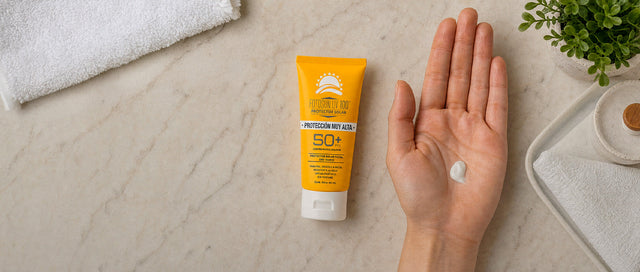
In addition to traditional elements, it is also advisable to include products that help protect health on a daily basis, for example:
-
Bismuth subsalicylate for stomach ailments.
-
Adhesive bandages.
-
Saline solution for nasal hygiene.
-
Specific products used regularly by family members.
Where to store the first-aid kit?
The ideal place should be:
-
Cool and dry.
-
Away from direct sunlight.
-
Out of reach of young children.
-
Easily accessible to adults.
-
Away from the bathroom, as humidity can deteriorate some products.
It is also recommended to keep all items organized by categories and inside a sturdy container.
How often should it be checked?
Ideally, perform a full review every six months to:
-
Check expiration dates.
-
Replenish used products.
-
Check that packaging is in good condition.
-
Confirm that the thermometer and flashlight are working correctly.
A good practice is to schedule this review at the beginning and the middle of each year.
Common mistakes when preparing a first-aid kit
These are some of the most frequent mistakes:
-
Storing it in places with humidity or excessive heat.
-
Keeping expired medications.
-
Not identifying products correctly.
-
Using containers without labels.
-
Leaving the first-aid kit within reach of small children.
-
Not periodically checking its contents.
Is it a good idea to have more than one first-aid kit?
Yes. In addition to the main home first-aid kit, it can be useful to have smaller versions for different times:
-
In the car.
-
In the office.
-
For travel and vacations.
-
For outdoor activities.
This way, you will always have essential items on hand no matter where you are.
A prepared first-aid kit means peace of mind for the whole family
Having a complete family first-aid kit is a simple measure that can make a difference when an accident or an unexpected ailment occurs. Keeping it organized, periodically checking its contents, and adapting it to your family's needs are habits that contribute to taking care of health every day. DOWNLOAD THE FAMILY FIRST-AID KIT CHECKLIST
At Daclaf, we believe that prevention and well-being begin with small actions. A well-prepared first-aid kit is one of them.