Discover 10 simple habits that can help take care of children's health during the back-to-school season and promote their well-being throughout the school year.
Back-to-school is also an opportunity to create healthy habits
The start of a new school year involves changes in the whole family's routine. Schedules are adjusted, social interaction with other children increases, and daily activities intensify. At this stage, adopting healthy habits can contribute to children's well-being and help them get the most out of their school experience.
Here, we share ten practical recommendations for taking care of their health during the back-to-school season.
1. Get back into a sleep routine
Getting enough sleep fosters rest, concentration, and learning. A few days before school starts, try to gradually move bedtime earlier so that the schedule change is easier.
Tip: Avoid using screens at least one hour before bed to encourage better-quality sleep.
2. Maintain a balanced diet
A complete breakfast and healthy snacks provide the energy needed for school activities.
Include foods such as:
-
Fruits and vegetables.
-
Whole grains.
-
Proteins.
-
Plain water.
3. Encourage frequent hand washing
Washing hands correctly remains one of the most effective measures to reduce the transmission of microorganisms.
It is important to do so:
-
Before eating.
-
After using the bathroom.
-
Upon returning from school.
-
After coughing or sneezing.
4. Maintain good hydration
Children often focus so much on their activities that they forget to drink water.
Sending a reusable bottle and reminding them to drink fluids throughout the day can help maintain proper hydration.
5. Prepare a healthy lunch
Beyond satisfying their appetite, a balanced lunch helps maintain energy levels throughout the school day.
Some options are:
-
Fresh fruit.
-
Natural yogurt.
-
Cheese.
-
Nuts (when allowed by the school).
6. Teach respiratory hygiene habits
Covering the mouth with the forearm when coughing or sneezing and using disposable tissues are simple actions that promote healthier socialization.
It is also advisable to teach them to avoid constantly touching their eyes, nose, and mouth.
7. Promote physical activity
Daily movement contributes to physical and emotional well-being.
You don't need to practice high-performance sports; walking, running, riding a bike, or playing outdoors are also part of a healthy lifestyle.
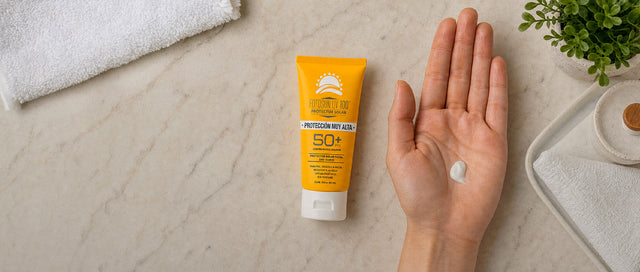
8. Don't forget sunscreen
Even if they spend much of the day inside the classroom, many children participate in outdoor activities during recess, physical education, or when leaving school.
Applying sunscreen before leaving home helps protect their skin from daily UV exposure.
9. Periodically check the backpack
An overly heavy backpack can cause back pain and affect posture.
It is recommended that the weight of the backpack be limited to only what is necessary for the day's activities and that both straps be used correctly.
10. Keep a small first-aid kit at home
Having an organized first-aid kit allows you to respond quickly to small accidents or daily ailments.
It is advisable to periodically check its contents and keep it stocked with basic first-aid items.
Small habits, big benefits
Back-to-school represents a fresh start for the whole family. Incorporating healthy habits from the beginning of the school year can promote children's well-being and help them develop routines that will stay with them all year long.
It's not about making drastic changes, but about gradually building habits that promote a healthier life.
Frequently asked questions
How many hours should a school-age child sleep?
Needs vary by age, but in general, school-age children require between 9 and 12 hours of sleep per night.
Is it important to use sunscreen even if children stay at school?
Yes. Many school activities take place outdoors, so protecting the skin daily is part of a healthy care routine.
How often should I check the family first-aid kit?
It is recommended to do so at least twice a year, checking expiration dates and replacing products that have been used.
Continue strengthening healthy habits at home
Small actions taken every day can make a big difference in children's well-being. On the Daclaf blog, you will find more tips on prevention, family care, and healthy habits to support your family throughout the year.